

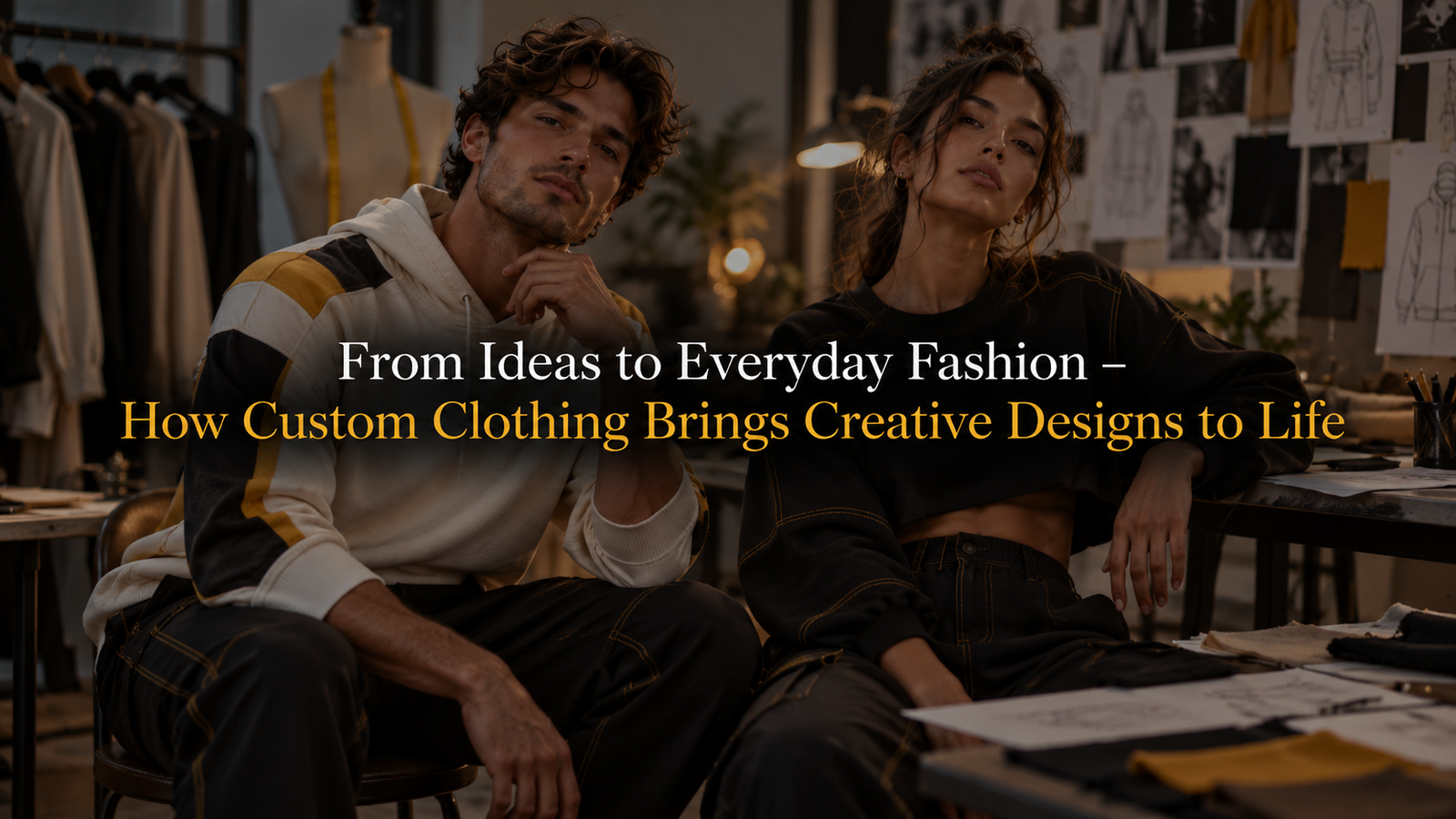
Fashion is more than the clothing people wear. It is a way of communicating personality, creativity, culture, and individual preferences.
Every garment begins with an idea. That idea may come from a sketch, a particular color combination, an interesting fabric, or a design that someone wants to bring into the world.
Turning a clothing idea into a finished product involves several important decisions.
Designers must think about fabric, garment shape, sizing, stitching, branding, and the overall purpose of the clothing.
At KOVA THIRTEEN INTERNATIONAL, fashion wear is one of our main apparel categories. Our collection covers many different styles, from fashionable T-shirts and hoodies to varsity jackets, denim garments, dresses, trousers, and coordinated outfits.
We believe that understanding the clothing development process helps brands make better design decisions and create collections with a clear identity.
Understanding Modern Fashion Wear
Fashion wear includes garments designed with particular attention to appearance, personal expression, and current or timeless clothing styles.
Some fashion garments are simple and practical.
Others use unusual shapes, bold prints, decorative details, or distinctive fabric combinations.
Modern fashion is diverse because customers have different tastes.
Some prefer minimalist clothing with clean lines and neutral colors.
Others enjoy oversized garments, bright colors, graphic prints, layered outfits, and experimental designs.
Fashion brands often develop collections around a particular visual identity.
This identity may be expressed through garment shapes, fabric choices, logos, colors, and styling.
A clear direction helps customers understand what a clothing brand represents.
Every Clothing Collection Starts with an Idea
The first stage of fashion development usually begins with inspiration.
A designer may want to create a range of oversized T-shirts, a new jacket collection, or coordinated casual outfits.
Before developing the garments, it is useful to define the collection’s purpose.
Important questions may include:
- Who will wear the clothing?
- What style should the collection represent?
- Which garments should be included?
- What fabrics are suitable?
- What colors will be used?
- What level of customization is needed?
- How should the garments fit?
- What is the intended selling price?
These questions help turn creative ideas into practical plans.
For example, a brand planning a relaxed street-fashion collection might focus on oversized T-shirts, hoodies, cargo trousers, and bomber jackets.
A brand developing more refined casual fashion might select polo shirts, knitted sweaters, blazers, and coordinated sets.
Both approaches can work when the designs are consistent with the brand’s identity.
The Importance of Fabric Selection
Fabric is one of the first major decisions in fashion clothing development.
The same garment design can look and feel very different depending on the material used.
For example, a T-shirt made from lightweight cotton may have a different appearance from one made with a heavier knitted fabric.
A jacket made with denim will behave differently from a jacket using lightweight synthetic material.
Fabric influences:
- Garment weight
- Softness
- Drape
- Stretch
- Breathability
- Appearance
- Care requirements
- Durability
Designers should consider how the fabric will perform in the intended garment.
A structured jacket may require material that holds its shape.
A flowing dress may benefit from fabric with a softer drape.
A comfortable sweatshirt may require a knitted material suited to regular movement.
Choosing suitable materials helps create a better connection between design and finished product.
Popular Fashion Wear Categories
Fashion wear offers a wide range of products that can be combined into different collections.
At KOVA THIRTEEN INTERNATIONAL, our fashion category includes several important garment styles.
1. Fashion T-Shirts
T-shirts are among the most widely worn garments in modern fashion.
Their simple structure allows for many design variations.
A fashion T-shirt may feature a plain appearance, embroidered logo, printed artwork, or distinctive fabric.
Different necklines, sleeve lengths, and garment proportions can create entirely different styles.
T-shirts are particularly useful for brands developing their first clothing collections.
2. Oversized T-Shirts
Oversized T-shirts are known for their relaxed fit.
They often feature wider body measurements, dropped shoulders, and longer or roomier sleeves.
This style has become an important part of contemporary street fashion.
Oversized garments can be combined with denim jeans, cargo pants, shorts, or coordinated bottoms.
The amount of looseness should be carefully planned so the finished design has the intended silhouette.
3. Polo Shirts
Polo shirts offer a combination of casual comfort and a more structured appearance.
Their collars and button plackets distinguish them from basic T-shirts.
They are commonly selected for everyday fashion, team clothing, and branded apparel.
Polo shirts can be developed with different fabrics, collar styles, and decorative details.
4. Fashion Hoodies and Sweatshirts
Hoodies and sweatshirts are important parts of many fashion collections.
They provide comfortable layering options and offer space for creative designs.
Common features include ribbed cuffs, adjustable hoods, pockets, graphics, and embroidery.
Sweatshirts may use crew necks or other neckline variations.
Fabric weight and garment fit influence the final appearance.
5. Varsity Jackets
Varsity jackets have a recognizable style inspired by traditional athletic clothing.
They often include contrasting sleeves, ribbed collars, decorative patches, and button closures.
Their combination of sports-inspired details and fashion styling makes them suitable for streetwear collections.
Customization can help create a distinctive appearance for each brand.
6. Bomber Jackets
Bomber jackets are popular because of their simple shape and versatile design.
They often feature a front zipper, ribbed cuffs, and a fitted waistband.
Different materials can produce very different results.
A lightweight bomber jacket may be suitable for mild weather, while a more substantial design can provide additional layering options.
7. Denim Jackets and Jeans
Denim remains an important material in everyday fashion.
Denim jackets and jeans can be developed in different washes, colors, and fits.
Details such as pocket placement, stitching, buttons, and seam construction contribute to their appearance.
Denim garments can also work well with T-shirts, sweaters, and other casual clothing.
8. Cargo Pants and Jogger Pants
Cargo pants are recognized for their practical pocket designs and relaxed styling.
Jogger pants commonly feature comfortable waistbands and tapered or cuffed leg openings.
Both garment types are useful in fashion collections that prioritize everyday comfort.
They can be paired with hoodies, oversized T-shirts, and jackets.
9. Crop Tops and Tank Tops
Crop tops and tank tops are commonly included in warm-weather and fashion-oriented clothing collections.
They can be made in different fits, fabrics, and lengths.
Simple designs can be combined with jeans, skirts, shorts, or coordinated sets.
Fabric stretch and garment sizing are particularly important considerations.
10. Co-Ord Sets and Two-Piece Outfits
Coordinated clothing sets combine two garments designed to be worn together.
These may include matching shirts and trousers, tops and skirts, or jackets and pants.
Co-ord sets offer a convenient way to create a complete outfit.
They can also be styled separately with other wardrobe pieces.
This flexibility makes them useful for modern fashion collections.
The Importance of Garment Fit
Fit is one of the most noticeable features of fashion clothing.
A garment’s proportions influence its overall appearance.
For example, two jackets made from the same fabric can look completely different when their shoulder widths, lengths, or sleeve shapes change.
Fashion brands may choose slim, regular, relaxed, oversized, or structured designs.
The preferred fit depends on the collection’s creative direction.
When developing clothing, it is important to use clear measurements.
Size charts, garment specifications, and samples help communicate the intended appearance.
Consistent sizing also makes it easier for customers to select garments.
How Customization Builds Brand Identity
Customization helps clothing brands develop a recognizable visual style.
A garment becomes more distinctive when its design reflects the brand behind it.
Brand identity may include logos, colors, labels, packaging, and decorative features.
Common fashion customization options include:
- Screen printing
- Digital printing
- Embroidery
- Decorative patches
- Custom woven labels
- Neck labels
- Hang tags
- Color combinations
- Special stitching details
- Custom buttons and zippers
- Personalized packaging
Each option should be selected according to the garment design and material.
For example, embroidery can add a textured logo to a sweatshirt or jacket.
A printed graphic can create a visual statement on a T-shirt.
Custom labels can provide brand identification and garment information.
When these details are used consistently, they help establish a recognizable clothing collection.
The Role of Sampling in Fashion Development
Sampling is an important stage between design planning and larger-scale production.
A sample allows a designer or clothing brand to evaluate a garment before committing to a larger order.
During sample review, several elements can be checked.
These include fabric appearance, garment dimensions, fit, stitching, colors, and design placement.
A sample may reveal that a pocket needs adjustment, a sleeve should be longer, or a particular fabric does not create the desired shape.
Identifying such issues early can help improve the final garment.
Samples are especially useful for clothing brands developing new products or experimenting with unfamiliar materials.
A careful review process gives designers more confidence in their decisions.
Why Good Manufacturing Details Matter
Fashion clothing should not depend on appearance alone.
Good construction contributes to how the garment feels, fits, and performs during regular use.
Even small details can influence the finished product.
Neat seams create a cleaner appearance.
Properly aligned pockets improve design consistency.
Suitable collars and cuffs help maintain the intended garment structure.
Securely attached buttons and zippers contribute to functionality.
Consistent garment measurements are also important when producing multiple sizes.
Paying attention to these elements helps create clothing that reflects careful workmanship.
Creating a Balanced Fashion Collection
A successful clothing collection does not necessarily require a large number of products.
A smaller selection of well-coordinated garments can communicate a strong design direction.
For example, a streetwear collection might include:
- Oversized T-shirts
- Hoodies
- Cargo pants
- Bomber jackets
- Fashion shorts
A more classic casual collection might include polo shirts, denim jeans, knitted sweaters, blazers, and jackets.
Brands can choose coordinating colors and complementary silhouettes.
This allows customers to combine different garments within the same collection.
Planning a balanced product range also helps brands manage design development and production decisions.
How Fashion Changes with the Seasons
Seasonal changes influence clothing preferences.
Summer collections often feature lighter garments, shorter sleeves, and fabrics selected for warmer conditions.
Winter collections commonly introduce sweaters, hoodies, jackets, and layering pieces.
Spring and autumn may create demand for versatile garments that can be worn in changing weather.
Fashion brands should consider their customers’ location and climate when planning collections.
A seasonal collection does not always need completely new garment types.
Existing designs can sometimes be adapted through fabric weight, color, or construction changes.
For example, a sweatshirt can be developed with different fabric weights for different weather conditions.
The Importance of Clothing Care
Fashion garments can include many different materials and decorative techniques.
Correct care is important for maintaining their appearance.
Customers should follow the instructions provided for each garment.
Denim, knitwear, synthetic fabrics, and decorated clothing may have different cleaning requirements.
Excessive washing temperatures or unsuitable drying methods can affect certain materials.
Printed and embroidered details may also require careful handling.
Providing clear garment-care information helps customers make appropriate decisions about cleaning and storage.
Fashion and Personal Expression
Fashion allows individuals to communicate aspects of their personality without using words.
A person may choose simple clothing because they prefer understated designs.
Another may select colorful graphics, unusual silhouettes, or bold accessories.
Neither approach is inherently better.
Fashion works best when people have the freedom to choose clothing that reflects their needs and preferences.
This diversity creates opportunities for clothing brands to explore different creative directions.
A successful brand does not need to appeal to everyone.
Instead, it can develop clothing that connects with a particular audience and delivers a consistent experience.
KOVA THIRTEEN INTERNATIONAL – Bringing Clothing Concepts Together
At KOVA THIRTEEN INTERNATIONAL, we recognize the creativity involved in developing fashion apparel.
Our fashion wear range includes T-shirts, polo shirts, hoodies, sweatshirts, varsity jackets, bomber jackets, denim jackets, leather jackets, puffer jackets, trousers, joggers, cargo pants, dresses, skirts, blazers, and coordinated outfits.
These categories provide opportunities for different styles and clothing concepts.
We understand that every brand has its own design preferences and product requirements.
Our focus on custom apparel allows us to explore clothing solutions suited to different fashion directions.
From selecting garments and materials to considering branding and finishing details, thoughtful planning plays an important role in clothing development.
We believe that attractive fashion products should combine creative expression with practical construction and comfortable wearability.
Conclusion
Every fashion collection begins with a creative idea.
Turning that idea into clothing requires attention to fabric, design, fitting, garment construction, and presentation.
Whether developing a simple T-shirt or a complete coordinated collection, each decision contributes to the finished product.
Custom clothing gives brands the opportunity to express their identity through garments that reflect their individual design direction.
At KOVA THIRTEEN INTERNATIONAL, we value the relationship between creativity, craftsmanship, and everyday clothing.
KOVA THIRTEEN INTERNATIONAL – Your Ideas. Our Craftsmanship. Every Detail Matters.